About Conference
The 7th International Conference on Breast Pathology and Cancer Diagnosis welcomes researchers, clinicians, academicians, healthcare professionals, industry leaders, and students from around the world to Amsterdam, Netherlands, on August 11–12, 2026. Centered on the theme “Advancing Precision in Breast Pathology and Cancer Diagnosis,” this international conference will serve as a premier platform for sharing the latest scientific discoveries, clinical innovations, and technological advancements in breast pathology, oncology, and diagnostic medicine.
Breast Pathology 2026 aims to foster meaningful collaborations among pathologists, oncologists, surgeons, radiologists, molecular biologists, pharmaceutical experts, and healthcare innovators. The conference will feature an engaging scientific program that includes keynote lectures, plenary sessions, invited talks, oral and poster presentations, workshops, panel discussions, and networking opportunities. Participants will gain valuable insights into emerging diagnostic tools, precision medicine, molecular pathology, biomarker discovery, artificial intelligence in pathology, and personalized treatment strategies that are transforming breast cancer care.
This two-day conference provides an exceptional opportunity to exchange knowledge, discuss clinical challenges, showcase innovative research, and establish global collaborations that contribute to improving patient outcomes. Breast Pathology 2026 is dedicated to advancing excellence in breast cancer diagnosis and pathology while promoting multidisciplinary approaches that bridge research and clinical practice.
Importance & Scope
The 7th International Conference on Breast Pathology and Cancer Diagnosis focuses on the latest developments in breast pathology, early cancer detection, precision diagnostics, and personalized therapeutic approaches. As breast cancer continues to be one of the most commonly diagnosed cancers worldwide, timely diagnosis, accurate pathological assessment, and innovative treatment strategies remain essential for improving survival rates and quality of life.
Breast Pathology 2026 will explore a broad spectrum of topics, including breast cancer pathology, molecular and genomic profiling, digital pathology, artificial intelligence in cancer diagnosis, biomarkers, precision oncology, immunotherapy, targeted therapies, hereditary breast cancer, imaging innovations, surgical pathology, translational research, and advances in screening and prevention. Special emphasis will also be placed on multidisciplinary patient care, clinical trials, survivorship, nursing, and healthcare policy.
The conference offers a dynamic platform for presenting groundbreaking research, exchanging clinical experiences, and discussing future directions in breast cancer diagnosis and pathology. Through keynote addresses, plenary lectures, scientific sessions, poster presentations, workshops, video presentations, and industry exhibitions, participants will gain practical knowledge and establish valuable collaborations that drive innovation in breast cancer research, diagnostics, and patient-centered care.
Target Audience
The 7th International Conference on Breast Pathology and Cancer Diagnosis invites professionals, researchers, academicians, and industry experts from across the globe who are dedicated to advancing breast cancer research, diagnosis, pathology, and patient care.
The conference welcomes:
-
Breast Pathologists
-
Medical Oncologists
-
Surgical Oncologists
-
Radiation Oncologists
-
Breast Surgeons
-
Gynecologists and Gynecologic Oncologists
-
Radiologists and Breast Imaging Specialists
-
Cytopathologists and Histopathologists
-
Clinical Researchers and Scientists
-
Women's Healthcare Specialists
-
Cancer Center Directors and Managers
-
Hospital Administrators and Healthcare Executives
-
Professors, Associate Professors, and Academic Faculty
-
Researchers and Students in Oncology, Pathology, and Women's Health
-
Breast Cancer Nurse Specialists and Oncology Nurses
-
Epidemiologists and Public Health Professionals
-
Molecular Biologists and Genetic Researchers
-
Pharmaceutical and Biotechnology Researchers
-
Clinical Trial Coordinators and Clinical Research Organizations (CROs)
-
Diagnostic Laboratory Professionals
-
Manufacturers and Marketers of Breast Imaging, Pathology, and Diagnostic Technologies
-
Medical Device and Diagnostic Equipment Companies
-
Healthcare Consultants and Policy Makers
-
Medical Journal Editors and Healthcare Journalists
-
Representatives from Non-Governmental Organizations (NGOs) and Cancer Awareness Foundations
-
Educational Institutions and Training Organizations
-
Healthcare Professionals interested in the latest innovations in breast pathology, precision diagnostics, and cancer management.
Sessions and Tracks
Track 1: Breast Cancer Biology and Tumor Microenvironment
This track explores the biological mechanisms responsible for breast cancer initiation, progression, and metastasis. Discussions will focus on tumor-stroma interactions, immune cell infiltration, angiogenesis, and cellular signaling pathways. Researchers will present discoveries on molecular changes that influence disease behavior and treatment response. Emerging laboratory models and translational research will also be highlighted. The session promotes a deeper understanding of breast cancer biology to improve targeted therapeutic strategies.
Track 2: Breast Pathology: Benign and Malignant Lesions
This session covers the complete spectrum of breast pathology, from benign proliferative disorders to invasive carcinomas. Experts will discuss histopathological classification, differential diagnosis, grading systems, and uncommon breast lesions. Advances in tissue sampling, pathological interpretation, and quality assurance will also be presented. Participants will gain valuable insights into diagnostic accuracy and reporting standards. The session bridges pathology with clinical decision-making.
Track 3: Molecular Pathology and Precision Oncology
Molecular pathology has transformed breast cancer diagnosis and personalized treatment. This track focuses on genomic profiling, molecular biomarkers, next-generation sequencing, and precision medicine approaches. Experts will discuss how molecular alterations guide therapeutic decisions and predict treatment outcomes. Advances in companion diagnostics and genomic testing will also be explored. The session emphasizes individualized patient care through molecular innovations.
Track 4: Breast Imaging and Radiological Diagnosis
Modern imaging technologies play a crucial role in the early detection of breast cancer. This session examines mammography, ultrasound, MRI, contrast-enhanced imaging, and emerging imaging modalities. Discussions include image-guided biopsy techniques, diagnostic accuracy, and screening strategies. Artificial intelligence-assisted imaging will also be highlighted. Participants will learn how radiology integrates with pathology for comprehensive diagnosis.
Track 5: Digital Pathology and Artificial Intelligence
Digital pathology is reshaping diagnostic workflows in breast pathology. This track explores whole-slide imaging, AI-assisted diagnosis, computational pathology, and deep learning applications. Experts will discuss automation, image analysis, workflow optimization, and remote pathology consultation. The integration of machine learning into clinical practice will be emphasized. Future directions of digital pathology in breast cancer diagnosis will also be explored.
Track 6: Biomarkers in Breast Cancer Diagnosis
Biomarkers are essential for accurate diagnosis, prognosis, and therapeutic monitoring. This session focuses on hormone receptors, HER2, Ki-67, circulating biomarkers, and novel molecular indicators. Discussions include biomarker validation, predictive value, and laboratory standardization. Emerging liquid biopsy technologies will also be presented. Participants will understand the growing role of biomarkers in personalized oncology.
Track 7: Breast Cancer Screening and Early Detection
Early detection significantly improves breast cancer survival rates. This track discusses screening guidelines, population-based programs, risk assessment models, and imaging innovations. Experts will evaluate challenges in screening diverse populations and improving accessibility. Advances in genetic screening and AI-assisted detection will also be reviewed. Emphasis will be placed on reducing late-stage diagnosis through effective screening strategies.
Track 8: Triple-Negative Breast Cancer
Triple-negative breast cancer remains one of the most aggressive breast cancer subtypes. This session explores molecular mechanisms, diagnostic challenges, emerging biomarkers, and innovative treatment strategies. Experts will discuss immunotherapy, targeted therapies, and resistance mechanisms. Current clinical trials and future therapeutic directions will also be highlighted. The session aims to improve outcomes for this difficult-to-treat disease.
Track 9: HER2-Positive Breast Cancer
This track focuses on HER2-positive breast cancer biology, diagnostic testing, and therapeutic advancements. Discussions include HER2-targeted therapies, antibody-drug conjugates, resistance mechanisms, and novel biomarkers. Participants will learn about evolving treatment algorithms and personalized therapeutic strategies. Updates from recent clinical trials will also be presented. The session highlights innovations improving survival in HER2-positive patients.
Track 10: Hormone Receptor-Positive Breast Cancer
Hormone receptor-positive breast cancer represents the most common subtype worldwide. This session examines endocrine therapy, resistance mechanisms, genomic assays, and long-term disease management. Experts will discuss personalized endocrine treatment strategies and biomarker-guided therapy selection. Emerging therapeutic agents and combination treatments will also be reviewed. The session emphasizes optimizing outcomes through precision medicine.
Track 11: Breast Cancer Genetics and Genomics
Inherited and acquired genetic alterations significantly influence breast cancer risk and treatment. This track explores BRCA mutations, hereditary cancer syndromes, genomic sequencing, and genetic counseling. Discussions include risk prediction, preventive strategies, and family screening. Advances in genomic medicine and precision oncology will be highlighted. The session supports integrating genetics into routine clinical practice.
Track 12: Immunopathology and Cancer Immunology
Understanding the immune system's interaction with breast tumors is essential for developing effective immunotherapies. This session focuses on tumor immune microenvironment, immune biomarkers, checkpoint inhibitors, and vaccine development. Experts will discuss mechanisms of immune escape and therapeutic modulation. Current advances in immuno-oncology research will be presented. Participants will explore future directions in immune-based cancer treatment.
Track 13: Surgical Pathology of Breast Tumors
Accurate surgical pathology remains fundamental in breast cancer management. This session covers specimen handling, margin assessment, lymph node evaluation, frozen section analysis, and reporting guidelines. Experts will discuss challenging diagnostic cases and multidisciplinary collaboration. Standardization of pathological assessment will also be emphasized. The track supports excellence in surgical pathology practice.
Track 14: Cytopathology and Fine Needle Aspiration
Fine needle aspiration cytology remains an important minimally invasive diagnostic technique. This track discusses cytological interpretation, diagnostic accuracy, ancillary testing, and correlation with histopathology. Experts will present updates on image-guided aspiration and challenging cytology cases. Quality assurance and reporting systems will also be explored. Participants will strengthen diagnostic confidence in breast cytopathology.
Track 15: Liquid Biopsy and Circulating Tumor Biomarkers
Liquid biopsy offers minimally invasive opportunities for cancer diagnosis and monitoring. This session focuses on circulating tumor DNA, circulating tumor cells, exosomes, and molecular profiling. Experts will discuss clinical applications in disease monitoring, recurrence detection, and treatment selection. Emerging technologies and validation studies will also be presented. The track highlights the future of precision diagnostics.
Track 16: Breast Cancer Metastasis
Metastatic breast cancer remains a major cause of cancer mortality worldwide. This session explores mechanisms of tumor dissemination, organ-specific metastasis, biomarkers, and therapeutic strategies. Discussions include metastatic microenvironment, resistance mechanisms, and personalized treatments. Advances in translational research and clinical trials will be highlighted. The session aims to improve survival and quality of life.
Track 17: Translational Breast Cancer Research
This track bridges laboratory discoveries with clinical application. Researchers will present studies involving biomarkers, targeted therapies, drug development, and translational models. Discussions focus on accelerating innovations from bench to bedside. Collaborative research initiatives and clinical validation will also be emphasized. Participants will gain insights into advancing personalized cancer care.
Track 18: Clinical Trials and Novel Therapeutics
Clinical trials drive progress in breast cancer treatment. This session explores innovative trial designs, targeted agents, immunotherapies, antibody-drug conjugates, and combination therapies. Experts will discuss regulatory challenges and translating research into clinical practice. Emerging therapies in early- and late-stage disease will also be reviewed. The session highlights the future landscape of breast cancer treatment.
Track 19: Breast Cancer Prevention and Risk Reduction
Preventive strategies play a vital role in reducing breast cancer incidence. This track discusses lifestyle modification, chemoprevention, genetic risk assessment, and prophylactic interventions. Experts will examine public health initiatives and personalized prevention approaches. Advances in predictive modeling and screening programs will also be presented. The session promotes comprehensive cancer prevention strategies.
Track 20: Personalized Medicine in Breast Oncology
Personalized medicine integrates molecular diagnostics, genomics, and clinical information to optimize treatment. This session focuses on individualized therapeutic approaches, predictive biomarkers, and treatment selection algorithms. Experts will discuss precision oncology in routine clinical practice. Emerging technologies supporting personalized care will be highlighted. The track promotes patient-centered treatment strategies.
Track 21: Pediatric and Rare Breast Disorders
Although uncommon, pediatric and rare breast diseases require specialized diagnostic expertise. This session explores congenital anomalies, juvenile breast tumors, rare malignancies, and unusual pathological presentations. Experts will discuss diagnostic challenges and multidisciplinary management approaches. Case studies and emerging evidence will be presented. Participants will broaden their understanding of uncommon breast conditions.
Track 22: Breast Cancer Survivorship and Quality of Life
Improving survivorship outcomes extends beyond successful treatment. This session focuses on long-term follow-up, rehabilitation, psychosocial support, treatment-related complications, and patient-reported outcomes. Experts will discuss survivorship care models and multidisciplinary management. Lifestyle interventions and supportive care innovations will also be explored. The session emphasizes holistic patient care.
Track 23: Breast Cancer in Low-Resource Settings
Global disparities in breast cancer diagnosis and treatment remain significant. This track examines cost-effective screening, pathology services, healthcare accessibility, and capacity building in low-resource environments. Experts will discuss innovative solutions for improving cancer care worldwide. International collaborations and public health initiatives will also be highlighted. The session promotes equitable cancer diagnosis and treatment.
Track 24: Emerging Technologies in Breast Cancer Diagnosis
Technological innovations continue transforming breast cancer diagnostics. This session explores nanotechnology, biosensors, molecular imaging, digital biomarkers, and wearable diagnostic devices. Researchers will discuss laboratory automation and next-generation diagnostic platforms. Clinical implementation and future technological developments will also be reviewed. The session showcases cutting-edge diagnostic innovations.
Track 25: Multidisciplinary Management of Breast Cancer
Optimal breast cancer care requires collaboration among pathologists, radiologists, surgeons, oncologists, and researchers. This track highlights multidisciplinary tumor boards, integrated diagnostics, treatment planning, and coordinated patient care. Experts will discuss best practices for improving clinical outcomes. Case-based learning and collaborative care models will be featured. The session strengthens interdisciplinary approaches to breast cancer management.
Track 26: Future Perspectives in Breast Pathology and Cancer Diagnosis
The concluding track explores future trends shaping breast pathology and cancer diagnosis. Topics include artificial intelligence, digital transformation, multi-omics research, precision diagnostics, and global collaborations. Experts will discuss innovations expected to redefine pathology practice over the coming decade. Emerging research priorities and technological breakthroughs will be presented. This session provides a comprehensive outlook on the future of breast cancer diagnostics and personalized oncology.
Participant Options & Benefits
Breast Pathology 2026 offers a variety of registration categories and exclusive benefits designed to provide an enriching scientific and professional experience. Whether you are a pathologist, oncologist, researcher, clinician, healthcare professional, student, or industry representative, the conference provides an exceptional platform to learn, collaborate, and advance your career in breast pathology and cancer diagnosis.
1. Presenter Registration
-
Present your latest research through oral or poster presentations.
-
Receive constructive feedback from internationally recognized experts and fellow researchers.
-
Showcase innovative discoveries and clinical advancements to a global audience specializing in breast pathology and oncology.
-
Gain opportunities for publication in conference proceedings or affiliated journals.
-
Strengthen your academic profile and professional recognition through scientific engagement.
2. Delegate Registration
-
Attend all keynote lectures, scientific sessions, panel discussions, workshops, and networking events.
-
Learn from internationally renowned experts in breast pathology, oncology, diagnostic imaging, and cancer research.
-
Build valuable collaborations with clinicians, researchers, academicians, and healthcare professionals.
-
Receive conference materials, including the scientific program and abstract book.
-
Stay updated on the latest advances in breast cancer diagnosis, pathology, biomarkers, precision medicine, and therapeutic strategies.
3. Student Registration
-
Benefit from discounted registration fees exclusively for undergraduate, postgraduate, and doctoral students.
-
Participate in educational sessions led by distinguished scientists and clinicians.
-
Present research through poster presentations and receive valuable academic feedback.
-
Network with experienced researchers, pathologists, oncologists, and fellow students.
-
Explore career development opportunities in pathology, oncology, molecular diagnostics, and biomedical research.
4. Industry Registration
-
Showcase innovative diagnostic technologies, laboratory equipment, pharmaceuticals, AI-based pathology solutions, and medical devices.
-
Connect with healthcare providers, researchers, hospital administrators, and key decision-makers.
-
Increase brand visibility through exhibition booths and sponsorship opportunities.
-
Explore emerging market trends and technological innovations in breast cancer diagnostics and treatment.
-
Establish strategic partnerships with global healthcare organizations, research institutions, and industry leaders.
5. Virtual Attendance
-
Access live-streamed keynote lectures, scientific presentations, and panel discussions from anywhere in the world.
-
Watch on-demand recordings at your convenience after the event.
-
Participate in virtual networking sessions and interactive discussions.
-
Engage with speakers through live question-and-answer sessions.
-
Experience the complete scientific program without travel while enjoying comprehensive online access.
Benefits for Participants
-
Gain valuable insights into the latest innovations, research breakthroughs, and clinical practices in breast pathology and cancer diagnosis.
-
Learn from internationally recognized experts through keynote lectures, workshops, panel discussions, and interactive scientific sessions.
-
Expand your professional network by connecting with pathologists, oncologists, surgeons, radiologists, researchers, healthcare professionals, and industry leaders from around the world.
-
Discover collaborative research opportunities, funding prospects, and international academic partnerships.
-
Explore emerging technologies, molecular diagnostics, artificial intelligence applications, digital pathology, precision oncology, and personalized medicine transforming breast cancer care.
-
Enhance your scientific knowledge, diagnostic expertise, and clinical skills through a comprehensive multidisciplinary conference program.
Join Us at Breast Pathology 2026
The 7th International Conference on Breast Pathology and Cancer Diagnosis will be held on August 11–12, 2026, in Amsterdam, Netherlands. Whether you are a breast pathologist, oncologist, surgeon, radiologist, molecular biologist, researcher, academician, healthcare professional, student, policymaker, or industry representative, this conference provides an outstanding opportunity to exchange scientific knowledge, present innovative research, establish international collaborations, and contribute to advancing breast cancer diagnosis, pathology, and patient care.
Register today and become part of an inspiring global gathering dedicated to shaping the future of breast pathology, cancer diagnostics, precision medicine, and innovative oncology research in Amsterdam, Netherlands.
Abstract Review Process
Abstract Review Process for the 7th International Conference on Breast Pathology and Cancer Diagnosis
August 11–12, 2026 | Amsterdam, Netherlands
Abstract Submission and Review
Authors are cordially invited to submit their scientific abstracts through the official conference submission portal. All submitted abstracts will undergo a comprehensive peer-review process conducted by the Scientific Committee. Each submission will be evaluated based on its relevance to the conference theme, scientific originality, research quality, methodology, clinical significance, and overall contribution to the fields of breast pathology, breast cancer diagnosis, and related disciplines.
Abstract Acceptance
After the review process is completed, corresponding authors of accepted abstracts will receive an official Abstract Acceptance Letter via email. Please note that abstract acceptance alone does not confirm participation in the conference. The presenting author must complete the conference registration to secure a presentation slot in the final scientific program.
Registration Guidelines
-
Each registration is valid for one participant only.
-
Every accepted abstract must have at least one registered presenting author.
-
Co-authors who wish to attend the conference must complete their own registration and pay the applicable registration fee.
-
Registered co-authors are eligible for a 15% discount on the Non-Presenter (Listener) Registration Fee.
Certification
Presentation Certificates will be awarded to registered presenting authors following the successful completion of their oral or poster presentation.
Co-authors will receive participation certificates only if they have completed their conference registration and payment before the event.
Co-Author Discount
To receive the co-author registration discount, authors are requested to contact the organizing committee before completing their registration. The conference team will provide the necessary instructions and discount code to ensure the reduced registration fee is applied successfully.
Important Information for Co-Authors
-
Each co-author attending the conference must register individually.
-
A 15% discount is available on the Non-Presenter (Listener) Registration Fee.
-
Prior communication with the organizing committee is required to activate the co-author discount.
-
Participation certificates will be issued only to registered co-authors who attend the conference.
For any questions regarding abstract submission, registration, presentation guidelines, or conference participation, please contact the organizing committee. We look forward to welcoming researchers, clinicians, pathologists, oncologists, academicians, and healthcare professionals from around the world to the 7th International Conference on Breast Pathology and Cancer Diagnosis, taking place on August 11–12, 2026, in Amsterdam, Netherlands.
Visa Process
Visa Process for the 7th International Conference on Breast Pathology and Cancer Diagnosis
August 11–12, 2026 | Amsterdam, Netherlands
Planning to attend the 7th International Conference on Breast Pathology and Cancer Diagnosis in Amsterdam, Netherlands? The following guide will help you complete your visa application smoothly and prepare for your visit.
Step 1: Complete Your Registration
Register for the conference through the official registration portal. Once your registration has been confirmed, you will receive an official Conference Invitation Letter, which can be used to support your visa application for the Netherlands.
Step 2: Determine the Appropriate Visa
Most international participants will require a Schengen Short-Stay Visa (Type C) to attend the conference in the Netherlands. This visa allows eligible visitors to travel to the Schengen Area for conferences, business meetings, academic events, and other short-term purposes. Please verify the visa requirements applicable to your nationality before submitting your application.
Step 3: Prepare the Required Documents
Applicants should prepare the following documents:
-
A valid passport with at least six months' validity beyond the intended period of travel.
-
Completed Schengen visa application form.
-
Official Conference Invitation Letter.
-
Conference registration confirmation.
-
Passport-sized photographs meeting Schengen visa specifications.
-
Travel itinerary, including round-trip flight reservations (if available).
-
Hotel or accommodation confirmation.
-
Proof of sufficient financial means, such as recent bank statements, employment letter, or sponsorship documents.
-
Valid travel medical insurance covering the Schengen Area with the required minimum coverage.
-
Any additional supporting documents requested by the Dutch Embassy or Visa Application Centre.
Step 4: Submit Your Visa Application
Complete your visa application and schedule an appointment at the nearest Netherlands Visa Application Centre (VAC) or Dutch Embassy/Consulate in your country. As appointment availability and processing times may vary, delegates are encouraged to apply well in advance.
Step 5: Attend Your Visa Appointment
Attend your scheduled appointment with all required documents. Applicants will generally be required to submit biometric information (fingerprints and photograph), and some applicants may be asked to attend a brief interview regarding the purpose of their visit.
Step 6: Visa Processing
Visa processing times vary depending on the country from which you apply. Participants are strongly advised to submit their applications at least 6–8 weeks before the conference to allow sufficient time for processing.
Step 7: Receive Your Visa
Once your visa application has been approved, collect your passport and carefully verify that all visa details are correct before confirming your final travel arrangements.
Helpful Tips
-
Begin your visa application as early as possible.
-
Ensure that all submitted documents are accurate, complete, and up to date.
-
Keep copies of your invitation letter, registration confirmation, accommodation details, travel insurance, and travel itinerary.
-
Regularly check the official Dutch immigration and visa guidelines for the latest requirements and processing updates applicable to your country.
We look forward to welcoming distinguished pathologists, oncologists, breast surgeons, radiologists, researchers, healthcare professionals, academicians, industry experts, and students from around the world to the 7th International Conference on Breast Pathology and Cancer Diagnosis, taking place on August 11–12, 2026, in Amsterdam, Netherlands.
Market Analysis
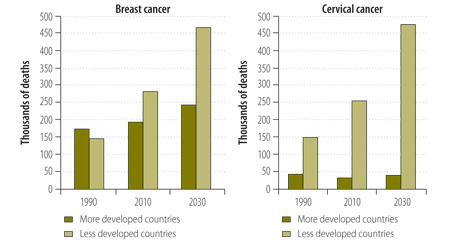
The global breast cancer therapy market is expected to register a CAGR of 8.5% during the forecast period 2018-2030. The high incidence rate of breast cancer is now becoming a concern, and several pharmaceutical companies are increasingly investing in research on breast cancer. Thus, the market is expected to grow. Statistics say that around 50% of breast cancer cases and more than 58% of deaths occur in less developed countries. The National Cancer Institute has estimated that 246,660 cases of breast cancer were diagnosed in 2025. The high incidence and prevalence rate show that the breast cancer therapeutics market will boost over the forecast period. Today, increasing number of countries are adopting early cancer detection programs, around the world. If these initiatives continue, the demand for breast cancer therapeutics is bound to increase, with most of the cases being detected in the early stages. Along with the other factors, such as high investments on R&D, and the advancements in cancer biology and pharmacology promoting drug development, are driving the market. North America dominates the market for breast cancer therapy, due to the fact that the prevalence of breast cancer is on the rise in this region, along with an increase in R&D funding through public and private sectors. Asia-Pacific region is expected to grow at a significant pace, over the forecast period.